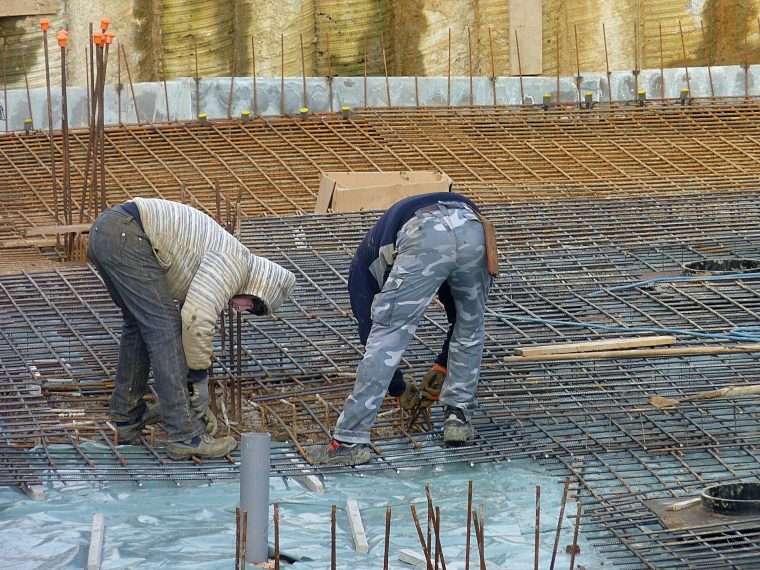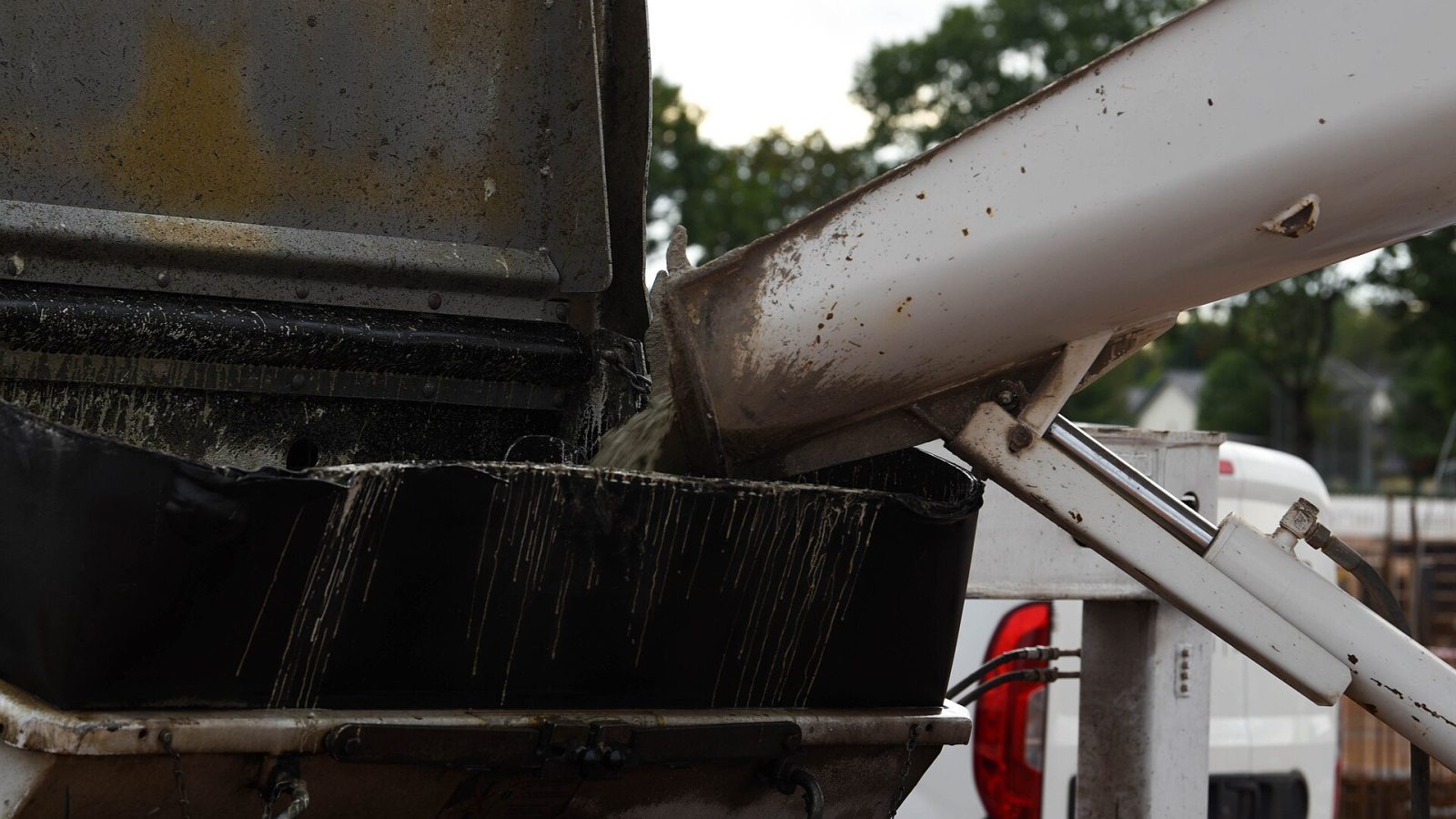
Concrete does not “dry”; it hardens through a chemical reaction between cement and water that goes on for days. In hot weather, water leaves the surface faster than the reaction needs, and the concrete weakens and cracks unless we protect it.
What heat does to concrete
- Fast setting: the mix loses workability before it can be placed and compacted properly.
- Plastic shrinkage cracks: surface cracks in the first hours from rapid evaporation.
- Lower strength: poorly cured concrete may not reach its design strength at 28 days.
Before and during the pour
- We pour at dawn or at night and avoid the midday hours entirely.
- We ask the plant for chilled water or ice in the mix; specifications usually require the concrete to be no hotter than 32°C when placed.
- We wet the formwork and the ground before the pour so they do not draw water out of the concrete.
- We check the temperature of every truck and reject loads over the limit.
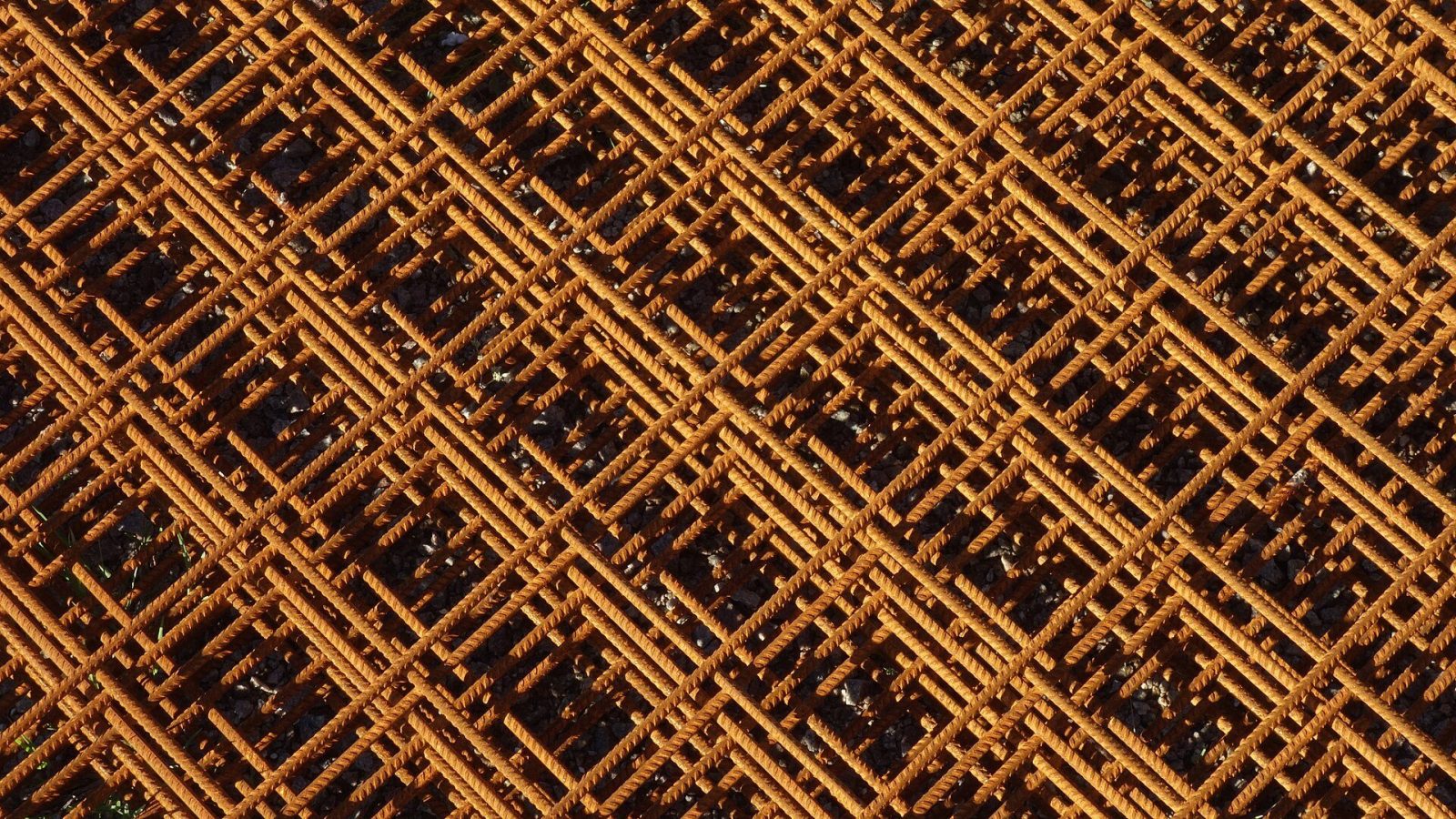
Curing: at least seven days
Curing starts right after finishing and lasts at least seven days:
- Spraying water several times a day, or covering the surface with wet hessian and polythene sheets.
- Or spraying a curing compound that forms a moisture-sealing film, as the consultant approves.
- Keeping side formwork in place long enough to protect the edges.
How we check the result
We take test cubes from every pour and an accredited laboratory crushes them at 7 and then 28 days; the results go into your project record. If a result comes in below the requirement, the structural engineer decides on further tests before work continues.
That is why our weekly reports show pours at five in the morning: not a love of early starts, but because your foundations deserve it.